


Are AI Bookkeeping Tools Worth It? 5 Central Valley Small Businesses Share Their Results
Let's be honest, everyone's talking about AI these days. From ChatGPT writing your emails to robots supposedly taking over the world, it feels like we're living in a sci-fi movie. But what about the nuts and bolts of running a business? Can AI really handle your books, or is it just another shiny object that'll leave you more confused than when you started?
We talked to five Central Valley business owners who've tried AI bookkeeping tools over the past year. Their stories might surprise you, and help you figure out if these tools are worth your time, money, and sanity.
Case Study #1: Valley-Based Business - The Time Saver
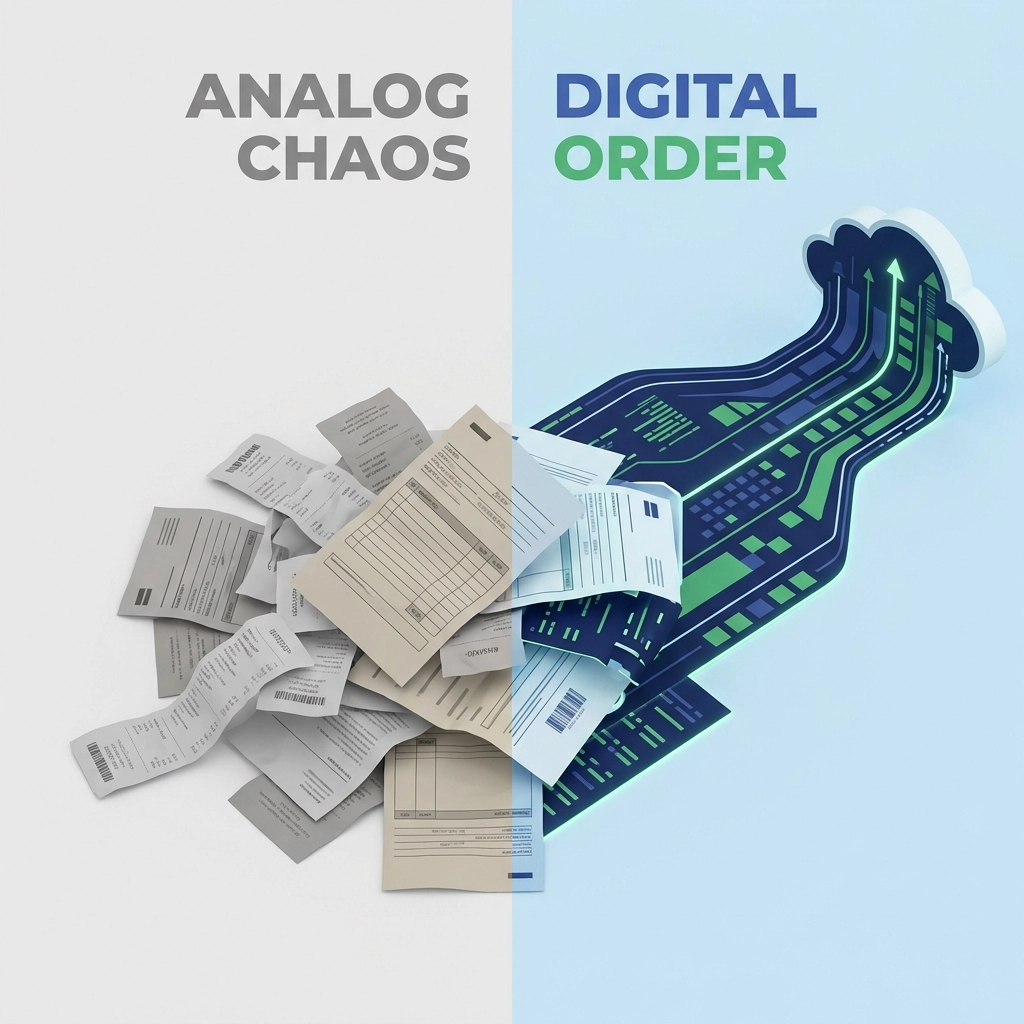
A Valley-based business owner with 15 employees was drowning in receipts and spending 20 hours a week on basic data entry.
"I tried this AI tool that promised to categorize everything automatically," the owner told us. "At first, I thought it was magic. It would scan receipts and boom, office supplies, raw materials, equipment rental. It saved me about 12 hours a week."
The Reality Check: Three months in, they discovered the AI had been miscategorizing state-specific workers' comp premiums as general insurance. "It cost me two days of cleanup and nearly caused issues with our audit," they said.
The Lesson: AI excels at the Support part of bookkeeping, the tedious data entry that nobody enjoys. But when it comes to Compliance with state-specific regulations, you still need human expertise who understands state tax law.
Case Study #2: Local Retail Business - The Accuracy Boost
A local retail business owner handling hundreds of daily transactions from cash, cards, and mobile payments found reconciliation to be a weekly headache.
"The AI tool I used brought my categorization accuracy up to about 95%," the owner explained. "Instead of spending my Sunday afternoons trying to figure out why my books didn't balance, I could actually focus on planning seasonal offerings."
The Plot Twist: When tax season rolled around, they realized the AI had been lumping all merchant fees together instead of separating payment processing costs from actual bank charges, a distinction that matters for deductions.
The Takeaway: Accuracy improvements are real, but the devil's in the details. AI gives you clean data, but interpreting that data for strategic tax planning? That's where human insight becomes invaluable.
Case Study #3: Regional Project-Based Firm - The Cash Flow Game-Changer
A regional project-based firm juggling multiple projects with different payment schedules struggled with cash flow visibility.
"The AI dashboard was incredible," the owner said. "I could see exactly which projects were profitable in real-time, not three months later when my old bookkeeper finally got around to it."
The Unexpected Challenge: When a client disputed an invoice for additional materials, the AI system couldn't differentiate between the original contract and change orders. They had to dig through paper trails anyway.
The Bottom Line: Real-time insights are game-changing for day-to-day operations. But when disputes arise or you need to Strategize around complex contracts, you need someone who understands your business context, not just your numbers.

Case Study #4: Local Regulated Service Provider - The Compliance Nightmare
A local regulated service provider thought AI bookkeeping would simplify an increasingly complex financial picture.
"Everything seemed fine until we got flagged for improper handling of client payment plans," the owner recalled. "The AI treated them like standard accounts receivable, but regulated services have specific requirements for payment plan documentation and reporting."
The Wake-Up Call: What started as a time-saving solution nearly resulted in compliance violations that could have jeopardized their license.
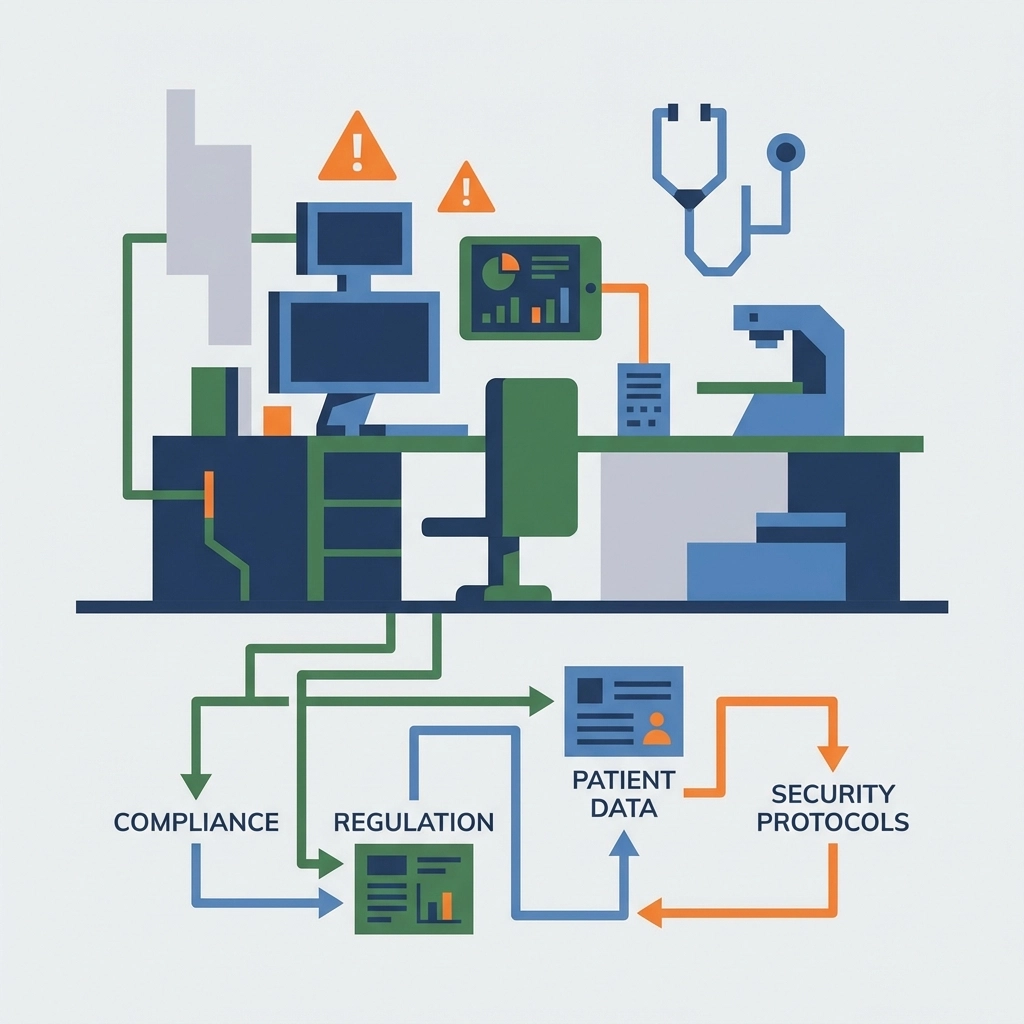
The Hard Truth: Regulated services, like many compliance-heavy sectors, have nuances that general AI tools simply don't understand. The Comply aspect of professional bookkeeping isn't just about following general accounting principles, it's about knowing sector-specific regulations.
Case Study #5: Valley-Based Online Retailer - The Scaling Solution
A Valley-based online retailer started from a home garage in 2023. By 2024, they were selling across multiple platforms and drowning in transaction data.
"The AI tool automated about 80% of my routine entries," the founder shared. "Sales from Shopify, Amazon, Etsy, it all flowed in automatically. I went from spending 15 hours a week on books to maybe 3."
The Growth Problem: As the business expanded, they realized they had clean data but no strategic insights. "I knew my numbers, but I didn't know what they meant for scaling. Should I focus on Amazon or direct-to-consumer? The AI couldn't tell me that."
The Evolution: They now use AI for data processing but rely on professional guidance for strategic decisions, like understanding the tax implications of inventory in multiple states and planning for growth.

What These Stories Tell Us
After talking to these five business owners (and dozens of others), a clear pattern emerges. AI bookkeeping tools excel at what we call the Support function, automating routine tasks, improving accuracy, and saving time. Where they fall short is in the Comply and Strategize aspects that separate clean books from actually useful financial management.
The Real Benefits Are Real
The time savings aren't marketing hype. Business owners consistently report 40-80% reductions in manual data entry time. The accuracy improvements are also genuine, AI doesn't get tired at 11 PM and start making typos.
The Hidden Costs Are Also Real
But every business owner we spoke with hit the same wall: AI tools handle the easy stuff brilliantly, but business isn't always easy. Tax regulations change, industries have specific requirements, and growth creates complexity that requires human judgment.
The Sweet Spot: AI + Human Expertise
The most successful businesses we interviewed weren't using AI to replace professional bookkeeping, they were using it to make professional bookkeeping more efficient and affordable.
Think of it this way: AI handles the data entry, humans handle the decision-making. AI processes transactions, humans interpret what those transactions mean for your business strategy. AI maintains accuracy, humans ensure compliance with regulations that matter to your specific situation.
The Central Valley Reality Check
Here in the Central Valley, we deal with unique challenges that general AI tools don't always understand. Agricultural businesses have seasonal cash flow patterns. Manufacturing companies deal with complex California labor laws. Service businesses navigate local licensing requirements.
AI bookkeeping tools are powerful, but they're not mind readers. They don't know that your Q4 revenue spike is normal for agricultural processing, or that your "travel expenses" are actually required site visits for compliance purposes.
Making the Right Choice for Your Business
So, are AI bookkeeping tools worth it? The answer isn't yes or no: it's "it depends on what you're trying to accomplish."
AI tools make sense if you:
Spend hours each week on basic data entry
Have straightforward transactions that follow predictable patterns
Want better real-time visibility into your numbers
Are comfortable with technology but recognize its limitations
You still need human expertise if you:
Operate in a regulated industry
Deal with complex transactions or unusual situations
Want strategic insights, not just clean data
Value compliance and accuracy over speed
The best approach combines both: Use AI to handle the routine work, then rely on professional expertise for the complex decisions that actually drive your business forward.
The Bottom Line
Every Central Valley business owner we spoke with agreed on one thing: AI bookkeeping tools are incredibly useful: as tools. They're not replacements for strategic thinking, industry expertise, or compliance knowledge.
The question isn't whether to use AI. The question is how to use it smartly, as part of a complete approach that supports your day-to-day operations, ensures compliance with regulations, and provides the strategic insights you need to grow.
Whether you're running a café in Fresno or a construction company in Clovis, the goal is the same: clean books, compliance confidence, and strategic clarity. AI can help with the first part. For the rest, you need partners who understand both the technology and your business.
Ready to explore how the right combination of technology and expertise can work for your Central Valley business? Let's talk about finding the solution that fits your specific needs.
Comments