


Is BOI Reporting Still Required? Here's What Central Valley Small Business Owners Need to Know
If you've been scratching your head about BOI reporting requirements, you're not alone. Over the past two years, small business owners across the Central Valley have been whiplashed by changing rules, shifting deadlines, and confusing government announcements about the Corporate Transparency Act (CTA).
So let's cut through the noise. Here's what you actually need to know about BOI reporting in 2026, and why staying organized matters even when the rules change.
A Quick Refresher: What Is BOI Reporting?
BOI stands for Beneficial Ownership Information. The idea behind it was simple: the federal government wanted to know who actually owns and controls small businesses in America.
The Corporate Transparency Act, passed in 2021, required most small businesses to report ownership details to FinCEN (the Financial Crimes Enforcement Network). The goal was to crack down on money laundering and shady shell companies hiding behind anonymous LLCs.
For small business bookkeeping operations across Fresno, Clovis, Visalia, and the rest of the Central Valley, this created a compliance headache. Suddenly, millions of legitimate small businesses faced new reporting requirements, with steep penalties for non-compliance.
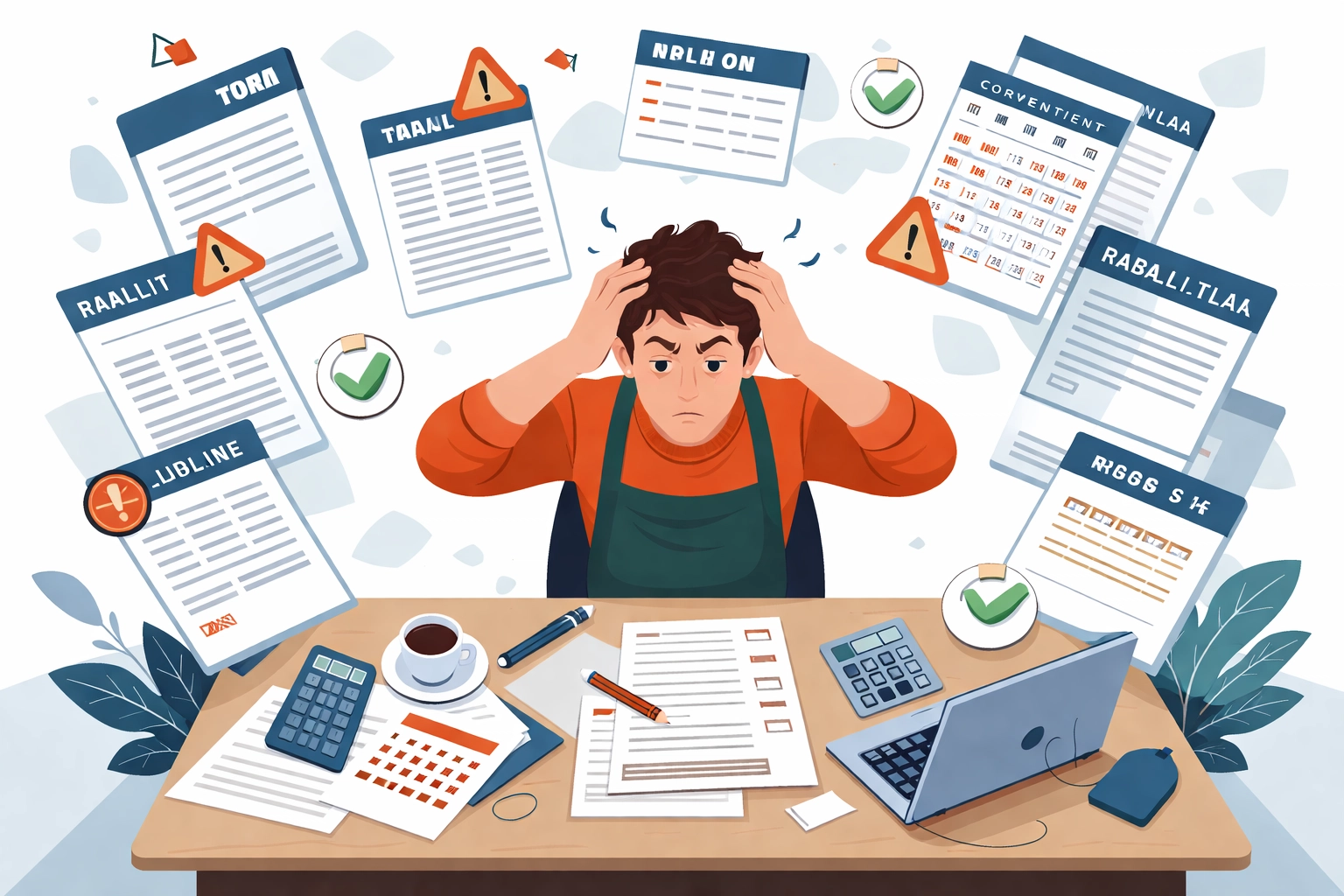
The Timeline That Made Everyone's Head Spin
Here's how things unfolded:
2021: Congress passes the Corporate Transparency Act as part of the National Defense Authorization Act.
2024: BOI reporting requirements were supposed to kick in. New businesses had 90 days to file. Existing businesses had until January 1, 2025.
Late 2024 – Early 2025: Legal challenges and court injunctions created chaos. Deadlines were extended, then reinstated, then extended again.
March 2025: FinCEN issues an interim final rule that changes everything.
That March 2025 update is the key. It's why most Central Valley business owners can breathe a little easier right now.
The Big Pivot: What Changed in March 2025
On March 26, 2025, FinCEN significantly shifted gears. The agency issued an interim final rule that removed BOI reporting requirements for all entities created in the United States.
Yes, you read that right.
If your LLC, corporation, or partnership was formed under U.S. law, which covers the vast majority of Central Valley small businesses, you're now exempt from beneficial ownership reporting to FinCEN.
This applies whether you:
Never filed a BOI report
Started filing but didn't finish
Were planning to file before the original deadline
The rule change came in response to concerns that the original requirements would impose significant compliance burdens on small businesses. And those concerns were valid, keeping track of beneficial ownership changes for every LLC in America is no small task.
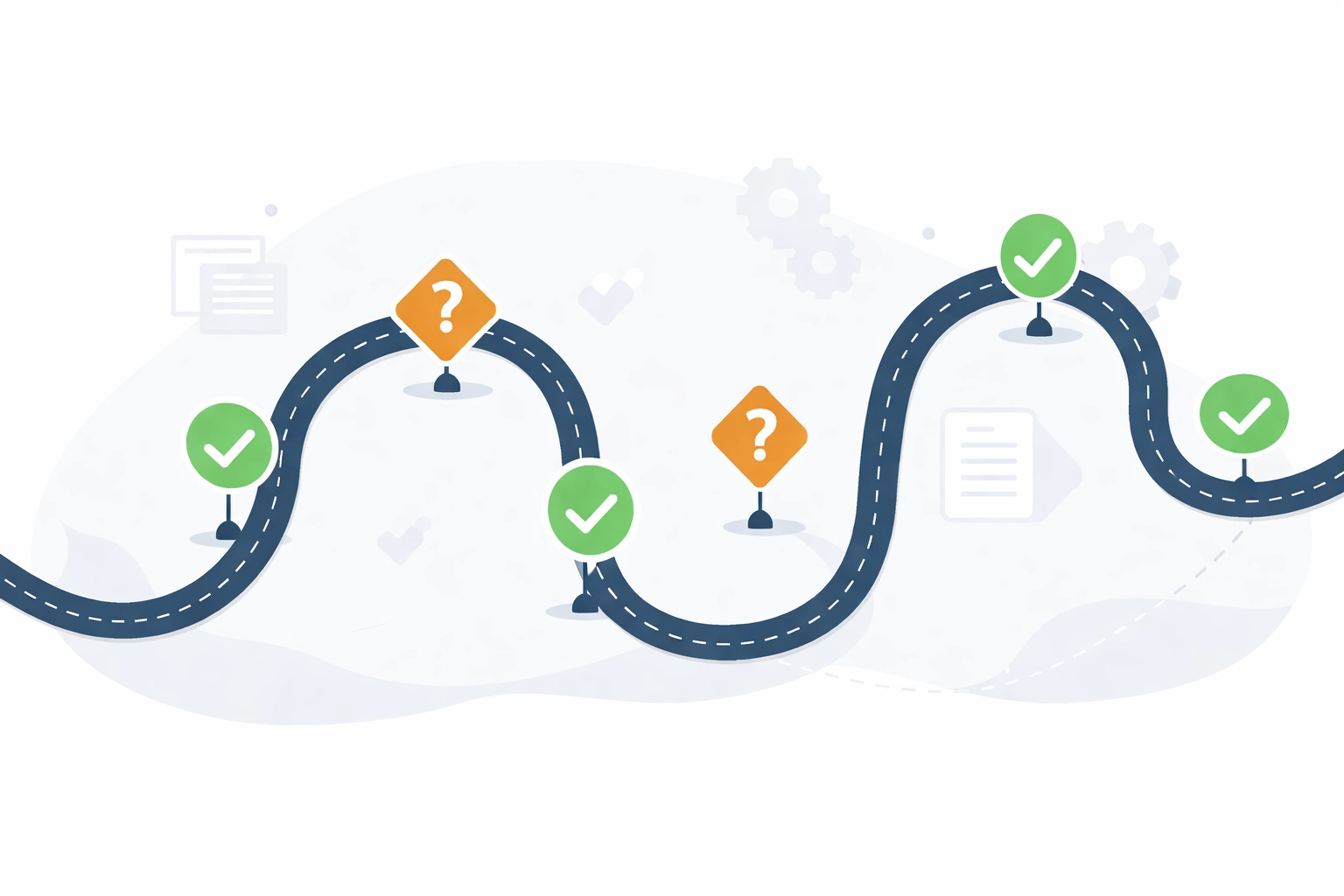
Current Status: January 2026
So where do things stand right now?
For domestic U.S. companies (that's most of you): No BOI reporting is required. Your Fresno-based LLC? Exempt. Your Central Valley S-corp? Exempt. Your family partnership that owns rental properties? Also exempt.
For foreign-owned entities: If your company was formed in another country but registered to do business in any U.S. state, you still need to file. Foreign reporting companies that registered before March 26, 2025, had a deadline of April 25, 2025. Those registering on or after March 26, 2025, have 30 calendar days from receiving notice of effective registration.
The Treasury's enforcement stance: Even with the current rules in place, the Treasury Department has suspended penalties for most domestic owners while they finalize new guidelines. FinCEN is accepting comments on the interim rule and intends to finalize it later in 2026.
Does This Mean You're Completely Off the Hook?
For BOI reporting specifically? Most likely yes: if you're a domestic company.
But here's the thing about business compliance solutions: the rules are always evolving. What's exempt today might not be exempt tomorrow.
FinCEN has made it clear that this is an interim rule. They're still working on final guidance. While it's unlikely they'll reverse course and suddenly require millions of small businesses to file again, nothing in compliance is ever truly "set it and forget it."

Why This Still Matters (Even If You Don't Have to File)
The BOI reporting saga is a perfect example of why staying organized matters: even when specific requirements don't apply to you.
Consider what would have happened if the original rules had stuck:
You'd need to know exactly who owns 25% or more of your company
You'd need their full legal names, dates of birth, addresses, and ID numbers
You'd need to update FinCEN within 30 days of any changes
You'd face penalties up to $500 per day for non-compliance
If your business records were a mess, scrambling to gather that information would have been a nightmare.
The lesson? Keep your house in order. The next compliance requirement might not give you as much warning: or as much relief.
What Central Valley Business Owners Should Do Now
Here's your simple action plan:
1. Confirm Your Company Status
Make sure you know whether your business is a domestic or foreign entity. If you formed your LLC or corporation in California (or any U.S. state), you're domestic.
2. Keep Ownership Records Updated
Even without BOI reporting, you should maintain clear records of who owns your business. This matters for taxes, banking, contracts, and future compliance requirements.
3. Don't Ignore Other Compliance Deadlines
BOI reporting might be off your plate, but California has plenty of other requirements. Franchise Tax Board filings, Secretary of State statements of information, and payroll compliance aren't going anywhere.
4. Stay Informed
Compliance rules change. Having a bookkeeping partner who tracks these updates means you won't get blindsided by the next big regulatory shift.

The Bigger Picture: Compliance Is a Moving Target
The BOI reporting rollercoaster is a reminder that small business compliance is never static. Rules change. Deadlines shift. What seems certain today might look completely different in six months.
This is exactly why small business bookkeeping isn't something you can fully automate with software alone. Sure, QuickBooks can categorize your transactions. But it won't send you an alert when FinCEN changes beneficial ownership rules: or when California updates its paid leave requirements.
Professional oversight matters. Someone needs to watch the horizon so you can focus on running your business.
Don't Stress: But Do Stay Organized
Here's the good news: if you're a typical Central Valley small business owner running a U.S.-based company, BOI reporting is not something you need to worry about right now.
Here's the better news: you don't have to track all these compliance changes yourself.
At Tabs Bookkeeping, we handle the "support, comply, and strategize" part of your business so you can focus on what you do best. Whether it's keeping your books clean, staying ahead of California's ever-changing requirements, or just having someone to call when confusing government letters show up: we've got you covered.
Ready to get organized? Book a consultation and let's make sure your Central Valley business stays compliant: no matter what the feds throw at us next.
Looking for more guidance on staying compliant in California? Check out our Ultimate Guide to Staying Compliant with California's 2026 Tax and Wage Laws.
Comments