


Bookkeeping Fresno CA: The Ultimate Guide to Staying Compliant with California's 2026 Tax and Wage Changes
California just dropped another round of compliance changes for 2026, and if you're running a business in Fresno or anywhere in the Central Valley, you're probably wondering what this means for your bottom line. The good news? We've got you covered with everything you need to know about wage increases, new mileage rates, and fresh paperwork requirements.
The New Minimum Wage Landscape
General Minimum Wage Jumps to $16.90
Starting January 1, 2026, California's general minimum wage increases to $16.90 per hour. That's a bump from the previous rate, and it affects virtually every business in Fresno that employs hourly workers.
What this means for your payroll:
Update your payroll systems by December 31, 2025
Review all hourly employee wages to ensure compliance
Adjust your labor cost projections for 2026 budgeting
Fast Food Workers Stay at $20 Floor
Fast food employees continue to earn at least $20.00 per hour under AB 1228. The Fast Food Council maintains oversight of this sector-specific wage floor, which applies to businesses with 60+ locations nationally that primarily serve limited-service food.
Fast food compliance checklist:
Verify your business meets the definition criteria
Ensure all covered employees earn at least $20/hour
Keep documentation of the Fast Food Council's current requirements
Healthcare Minimum Wage Gets Complex
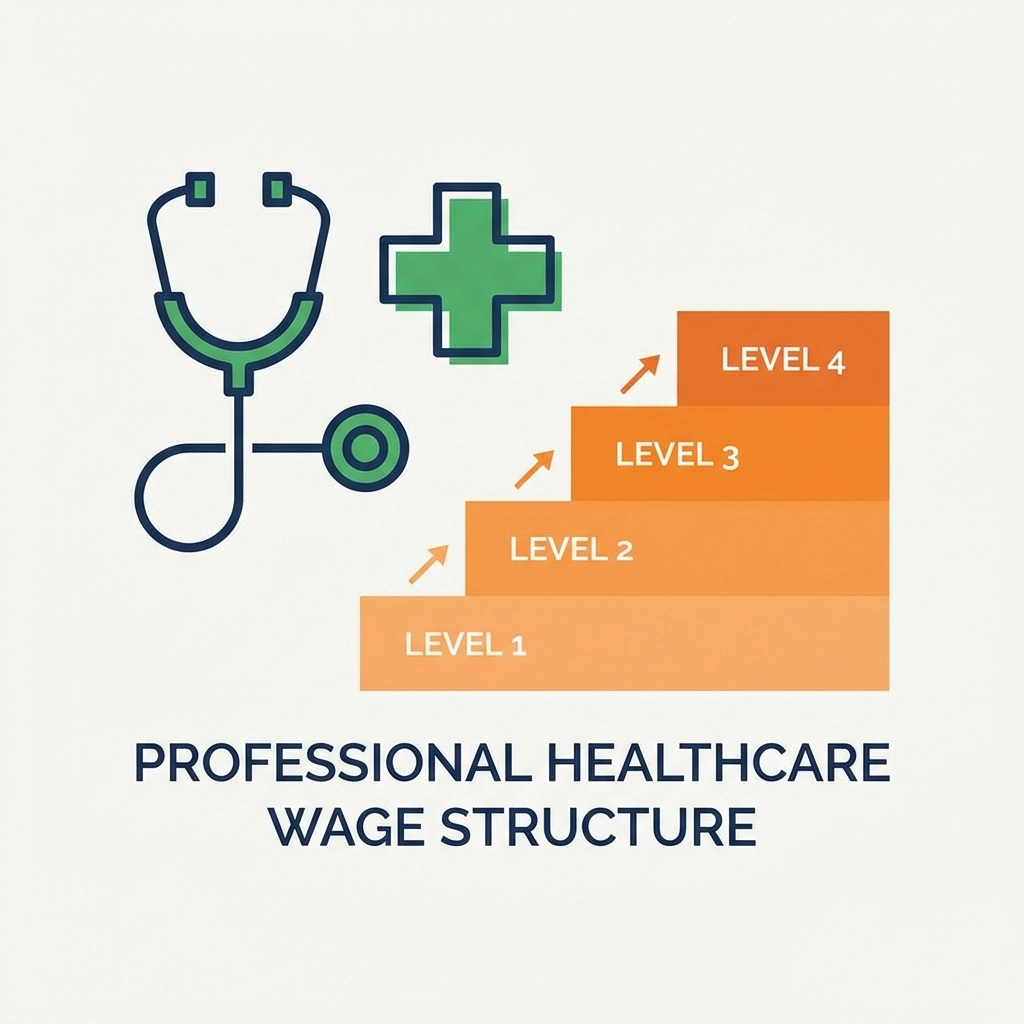
The healthcare sector faces a tiered minimum wage system that varies based on facility size and type. Here's the breakdown:
Large Healthcare Facilities (25+ beds or $25M+ annual revenue):
$24.00-$25.00 per hour depending on specific facility type
Smaller Healthcare Operations:
Starting at $18.63 per hour with annual increases
Rural Healthcare Providers:
May qualify for extended compliance timelines
This tiered system recognizes the different economic realities facing healthcare providers across California, from major hospital systems to small medical practices in the Central Valley.
Mileage Reimbursement Rate Changes
Business Mileage: 72.5 Cents Per Mile
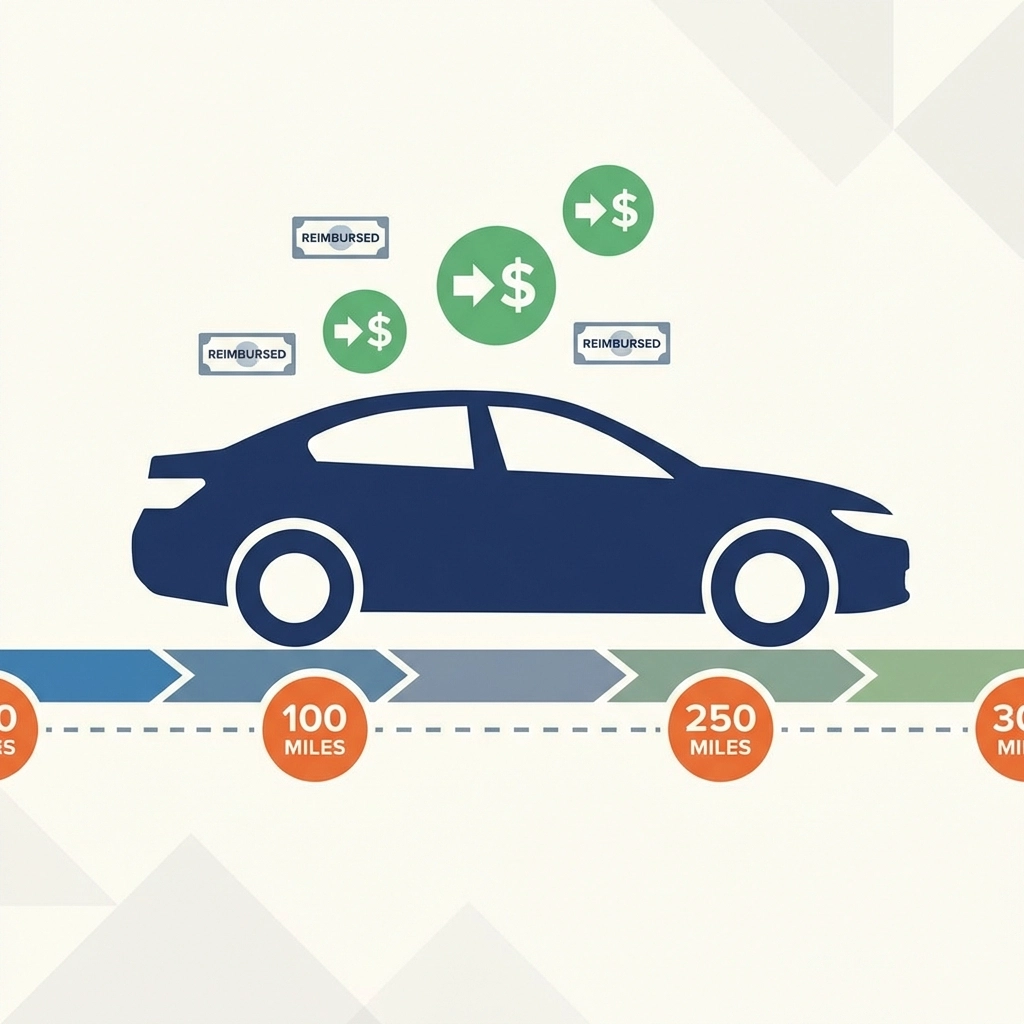
The IRS business mileage rate for 2026 increases to 72.5 cents per mile. This affects any business that reimburses employees for vehicle use, from sales teams driving between Fresno and Sacramento to technicians serving the entire Valley.
Action items:
Update expense policies and reimbursement forms
Train staff on proper mileage documentation
Ensure your accounting system reflects the new rate
Nonprofit Rate: 14 Cents Per Mile
Organizations operating under 501(c)(3) status use the charitable mileage rate of 14 cents per mile. This lower rate applies specifically to volunteer activities and charitable work.
New Documentation Requirements
Workplace Rights Notice (SB 294)
Starting February 1, 2026, every employer must provide written notice covering:
Workers' compensation benefits
Workplace immigration inspection protections
Right to organize
Constitutional rights during law enforcement interactions
Implementation timeline:
California Labor Commissioner posts template by January 1, 2026
Provide notice to all current employees by February 1, 2026
Include notice in new hire packets starting February 1, 2026
Distribute annually using your normal communication method
Penalties: $500 per violation per day, up to $10,000 maximum
Expanded Personnel Records (SB 513)
Employee personnel files must now include education and training records with these details:
Employee name
Training provider
Duration and date of training
Core competencies learned
Required equipment or software skills
Resulting certifications
Employees can request copies, and employers have 30 days to provide them.
Support, Comply, Strategize Framework
Support: Managing the Administrative Load
These changes create significant administrative work. Smart businesses are automating what they can and outsourcing the rest. Payroll systems need updates, employee files require new documentation, and someone needs to track all these moving pieces.
The reality? Most Fresno business owners didn't start their companies to become compliance experts. You started to serve customers, build something meaningful, or solve problems in your community.
Comply: Staying Ahead of Penalties
California doesn't mess around with compliance violations. The workplace notice requirement alone carries daily penalties that can add up fast. Missing a mileage rate update might seem minor until you're explaining discrepancies during an audit.
Key compliance dates:
December 31, 2025: Update payroll systems for new minimum wages
January 1, 2026: Implement new mileage rates
February 1, 2026: Begin workplace rights notice distribution

Strategize: Planning Beyond Compliance
These wage increases affect more than just your payroll. They impact pricing strategies, budget forecasts, and competitive positioning. Healthcare practices need to plan for different wage structures depending on their size. Restaurants must factor in whether they fall under fast food regulations.
The mileage rate increase signals ongoing inflation in transportation costs. If your business model depends on employee travel or delivery, this trend affects your long-term planning.
Industry-Specific Considerations
Healthcare Practices
Medical offices face the most complex wage structure changes. A small dental practice in Clovis operates under different rules than Valley Children's Hospital. Understanding which tier applies to your practice determines your compliance requirements and labor costs.
Healthcare compliance strategy:
Confirm your facility classification
Plan for annual wage increases built into the healthcare worker legislation
Consider how wage structures affect recruitment and retention
Restaurants and Food Service
Fast food chains with 60+ locations nationwide must maintain the $20 minimum wage floor. Independent restaurants and smaller chains follow the general minimum wage increase to $16.90.
Food service considerations:
Review your business classification under fast food regulations
Adjust menu pricing to account for wage increases
Plan for ongoing annual increases in both categories
Professional Services
Law firms, accounting practices, and consulting businesses typically pay above minimum wage, but the mileage rate changes affect client billing and employee reimbursements.
Technology and Automation Solutions
Modern payroll systems handle most wage calculations automatically, but they need configuration updates. Employee time tracking, mileage logging, and document management systems can streamline compliance.
Recommended technology updates:
Configure payroll systems for new wage rates
Implement digital mileage tracking for employee reimbursements
Set up automated reminders for annual notice requirements
Getting Professional Help
These changes represent just the latest in California's evolving employment landscape. Smart business owners recognize that staying compliant requires either dedicated internal resources or professional support.
Working with experienced bookkeeping and payroll professionals means these updates get handled correctly the first time. No missed deadlines, no penalty surprises, no scrambling to figure out which wage tier applies to your business.
Planning for Future Changes
California's employment laws continue evolving. The Fast Food Council can adjust wages beyond the $20 floor. Healthcare worker wages include built-in annual increases. Mileage rates change yearly based on economic conditions.
Successful Central Valley businesses build compliance management into their operations rather than scrambling with each new requirement. This might mean upgrading systems, training staff, or partnering with professionals who handle these details.
The key is viewing compliance as business infrastructure rather than bureaucratic hassle. Good infrastructure supports growth and protects what you've built.
Take Action Before December 31st
Don't wait until New Year's Day to implement these changes. December gives you time to test new systems, train staff, and resolve any issues before the deadlines hit.
Your December checklist:
Update all payroll and HR systems
Prepare workplace rights notices for February distribution
Review and adjust employee files for new documentation requirements
Calculate budget impact of wage increases
Ready to tackle 2026 compliance without the stress? Schedule a consultation to discuss how professional bookkeeping support can keep your Central Valley business compliant and growing.
Comments